
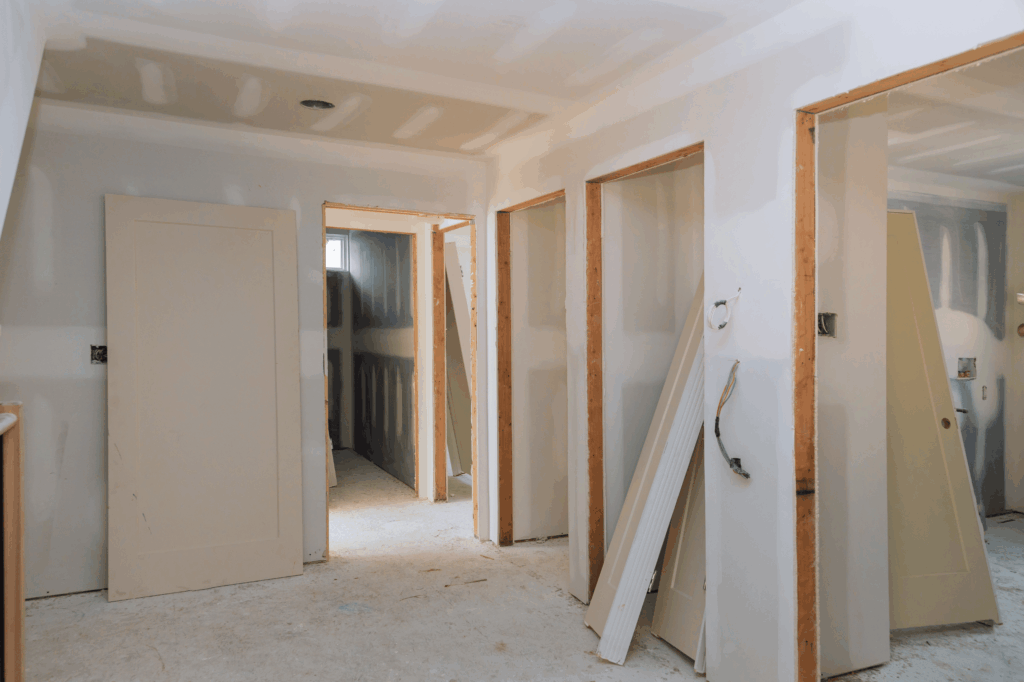
Construction rework costs: Rework is one of construction’s most expensive problems — and one of its least visible. While delays, disputes, and cost overruns often grab attention, the root cause frequently sits much earlier in the process: poor snagging.
Across the industry, defects that could have been resolved quickly on site are instead missed, duplicated, or misunderstood. By the time they resurface, they trigger rework, programme slippage, and strained relationships between contractors, subcontractors, and clients.
What makes snagging so dangerous is not the defect itself, but how quietly the cost accumulates.
Construction Rework Costs
Rework rarely appears as a single line item. Instead, it spreads across labour, materials, preliminaries, and lost productivity.
According to HSE construction guidance, poor quality control and unclear defect management are key contributors to unsafe and inefficient working practices. Industry studies regularly estimate that rework can account for 5–15% of total project cost, depending on complexity.
These costs typically include:
- Labour returning to completed areas
- Materials wasted or replaced
- Programme delays affecting multiple trades
- Management time spent resolving disputes
- Reduced margins for subcontractors
Because these losses are fragmented, they often go unchallenged — quietly eroding profitability.
Why Snags Turn Into Construction Rework Costs Instead of Fixes
Most rework does not happen because defects are difficult to fix. It happens because they are not clearly tracked.
On many sites, snags exist in multiple places at once:
- A spreadsheet held by the site manager
- Photos buried in WhatsApp threads
- Notes scribbled during inspections
- Emails sent days after the issue was spotted
When information lives everywhere, responsibility lives nowhere.
Large contractors may use formal defect management software, but still rely on Excel and messaging apps on site. SME builders often depend entirely on informal communication. In both cases, the snag itself is not clearly anchored to the physical location.
This gap between digital records and the site reality is where rework begins.
The Domino Effect of Missed Snags
A missed snag rarely stays isolated. One unresolved defect often triggers several downstream issues.
For example, a poorly finished wall might be logged late or ambiguously. The decorator proceeds regardless. The client notices the issue at inspection. Finishes are damaged during remedial works. Multiple trades return to the same area.
What started as a simple snag becomes rework across several packages, this exceeds your projects construction rework costs.
Construction industry reporting from Construction News consistently highlights rework as a leading cause of programme risk, especially during the final stages of projects.
Why Digital Lists Alone Don’t Solve the Problem
Digital tools have improved reporting, but they have not eliminated rework. The reason is simple: most digital systems still separate the defect from the physical site.
A snag logged in an app or spreadsheet still requires someone to interpret:
- Which exact location it refers to
- Whether it has already been addressed
- Which trade is responsible
- Whether the fix has been verified
Without a visible, on-site reference, teams rely on memory, interpretation, and follow-up — all of which increase the risk of error.
This is why even advanced setups often collapse back into spreadsheets and messaging apps under pressure, in turn causing increase in construction rework costs.
Physical Visibility Is the Missing Link
To reduce construction rework costs, snags must be impossible to ignore.
Physical-first snagging introduces a simple but powerful shift: the defect is marked where it occurs, and the same reference is used until it is closed.
This approach ensures:
- Trades can see outstanding issues immediately
- Managers don’t need to cross-reference lists
- Fixes are verified against the original issue
- Nothing is “lost” between inspections
By keeping snags visible on site, teams reduce duplication, miscommunication, and unnecessary return visits.
How Contractors Are Reducing Construction Rework Costs in Practice
Many contractors are now combining lightweight digital records with physical visibility on site.
Instead of replacing existing workflows, these systems support them. A physical marker identifies the snag. A single digital record captures updates. Everyone works from the same reference until the issue is resolved.
Solutions like SnagTags use physical QR tags placed next to defects, allowing trades and managers to log, update, and close snags using the same tag. This keeps responsibility clear and reduces the risk of defects resurfacing later as rework.
Rework Reduction Starts Before Handover
The most effective way to reduce rework is to treat snagging as a live process, not a final checklist.
When snags are addressed as work progresses — rather than compiled at the end — defects are fixed when access is easy, trades are available, and costs are lowest.
This aligns closely with guidance from CIOB on proactive quality management, which emphasises early intervention over end-stage correction.
Final Thoughts on Cosntruction Rework Costs
Construction rework costs is rarely caused by complex technical failures. More often, it is the result of small issues being missed, misunderstood, or poorly communicated.
Snagging sits at the heart of this problem.
By improving visibility, simplifying responsibility, and anchoring defects to the physical site, contractors can significantly reduce rework costs — without adding bureaucracy or slowing projects down.
In an industry where margins are tight and timelines matter, better snagging is not just a quality issue. It is a commercial one.