
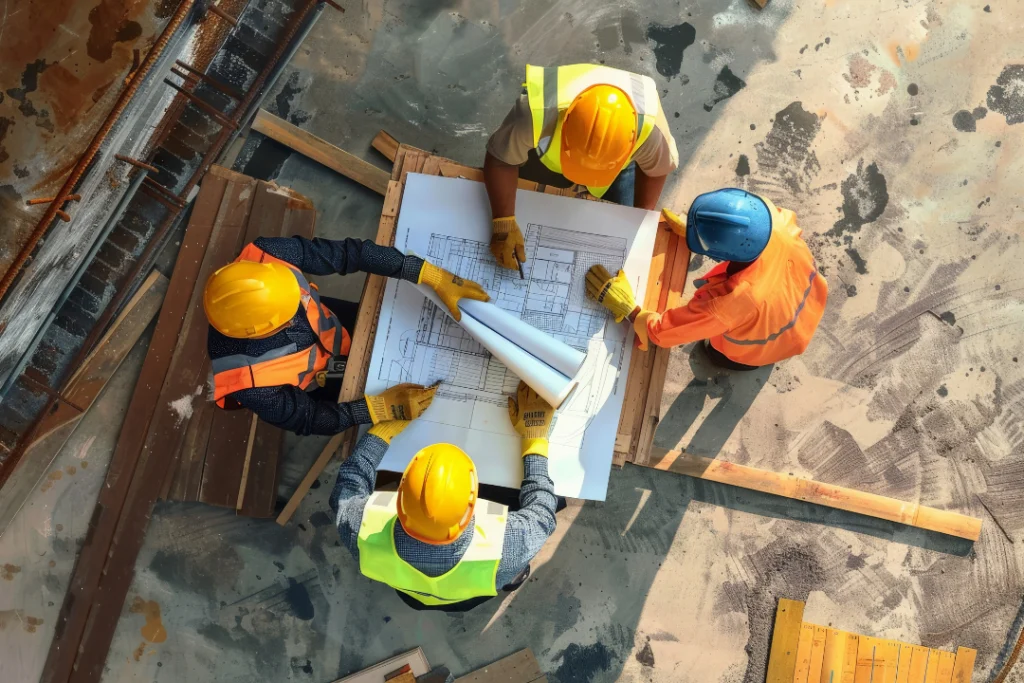
Common Construction Inspection Mistakes and How to Avoid Them is an important topic for contractors and site managers who want to improve quality control and reduce costly defects. By understanding Common Construction Inspection Mistakes and How to Avoid Them, construction teams can improve inspection processes, identify issues earlier, and prevent problems from affecting project completion. Therefore, effective inspection management is essential for delivering high-quality construction projects.
Common Construction Inspection Mistakes and How to Avoid Them
Common Construction Inspection Mistakes and How to Avoid Them often occur because inspection processes are inconsistent, poorly documented, or completed too late in the project.
Some common inspection mistakes include:
- Failing to inspect work regularly
- Poor defect documentation
- Missing hidden construction issues
- Lack of clear responsibility
- Delayed defect resolution
By avoiding these mistakes, contractors can maintain quality standards and reduce unnecessary project delays.
Common Construction Inspection Mistakes That Affect Build Quality
Construction inspection mistakes can significantly affect project performance and overall build quality.
For example, common issues include:
- Incomplete inspection checklists
- Poor communication between trades
- Failure to track outstanding defects
- Limited inspection records
- Inspections completed only before handover
Identifying these problems early helps teams improve efficiency and avoid unnecessary rework. Additionally, regular inspections allow site managers to address issues before they affect later stages of construction.
How Poor Inspection Processes Create Construction Defects
Many construction defects occur because teams do not follow a structured inspection process.
Without effective inspection procedures, site managers may struggle to identify problems before they become larger issues.
As a result, poor inspection processes can lead to:
- Increased rework costs
- Project delays
- Reduced productivity
- Client dissatisfaction
- Additional site inspections
Moreover, Common Construction Inspection Mistakes and How to Avoid Them becomes easier when teams use clear processes and digital defect tracking systems.
Best Practices for Avoiding Construction Inspection Mistakes
Construction teams can improve inspection performance by following a consistent approach throughout the project lifecycle.
Effective practices include:
- Inspecting work at every project stage
- Recording defects immediately
- Assigning responsibility clearly
- Monitoring corrective actions
- Verifying completed repairs
Consequently, contractors can improve quality control, reduce construction risks, and maintain better project visibility.
Improving Quality Control Through Better Construction Inspections
A strong inspection process should help teams:
- Identify defects early
- Maintain accurate inspection records
- Improve communication between trades
- Track outstanding issues
- Confirm completed work
In addition, these practices improve accountability and ensure quality standards remain consistent throughout the project.
Why Early Inspections Help Prevent Construction Defects
Completing inspections early allows construction teams to resolve problems before they affect later stages of the build. As a result, contractors can reduce rework and maintain project schedules.
Furthermore, early inspections improve collaboration between site managers, subcontractors, and project teams. This approach helps ensure defects are identified quickly and resolved before they reach the final handover stage.
Therefore, a proactive inspection process supports better project outcomes by improving quality control and reducing unnecessary delays. However, poor inspection practices can still lead to increased costs, additional rework, and project disruption.
How SnagTags Helps Avoid Construction Inspection Mistakes
SnagTags helps construction teams overcome Common Construction Inspection Mistakes and How to Avoid Them through improved defect visibility and accountability.
By combining physical QR-coded snag tags with digital tracking, teams can:
- Improve defect visibility
- Assign ownership instantly
- Track inspection progress in real time
- Reduce communication gaps
- Support faster defect resolution
Learn more about how SnagTags works:
For contractors looking to improve defect management, visit SnagTags Alternatives:
Additionally, construction professionals can explore construction safety and inspection guidance from the Health and Safety Executive:
For guidance on building regulations and planning compliance, visit:
Conclusion
Common Construction Inspection Mistakes and How to Avoid Them highlights the importance of structured inspections, accurate defect tracking, and effective quality control.
By improving inspection processes, recording defects properly, and resolving issues early, construction teams can reduce rework, improve build quality, and achieve smoother project handovers.