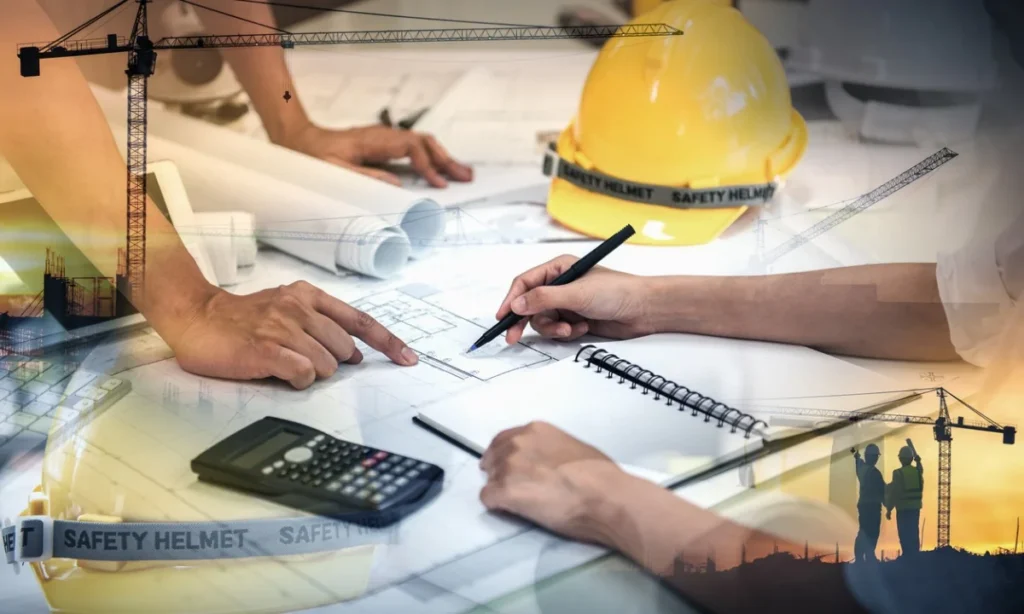
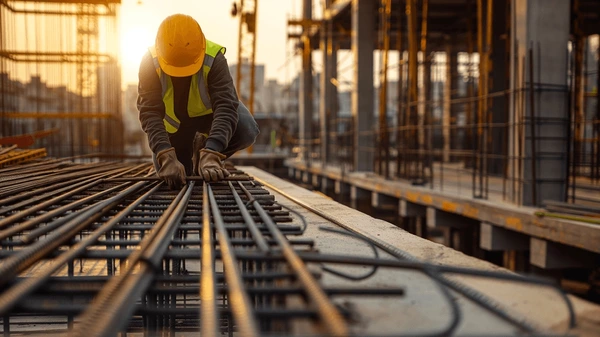
Building Quality Into Every Stage of Construction is essential for delivering successful projects that meet client expectations, safety requirements, and industry standards. When construction teams focus on Building Quality Into Every Stage of Construction, they can reduce defects, minimise rework, and improve project outcomes. Therefore, maintaining quality throughout the project lifecycle plays a key role in achieving long-term project success.
Building Quality Throughout Construction Projects
Building Quality Into Every Stage of Construction helps teams identify issues early and maintain high standards from project start to completion.
Poor quality management can result in:
Increased rework costs
Project delays
Additional inspections
Reduced productivity
Lower client satisfaction
The earlier quality issues are identified, the easier they are to resolve.
How Quality Standards Support Better Construction Quality
Strong quality processes help construction teams deliver projects more efficiently and consistently.
Benefits include:
Improved workmanship standards
Reduced defects
Better compliance with specifications
Faster issue resolution
More successful project handovers
These improvements help maintain project quality throughout the construction lifecycle.
In addition, consistent quality checks help prevent small issues from developing into costly problems.
Why Visibility Helps Build Construction Quality
Many quality issues occur because defects are not identified, communicated, or tracked effectively.
Without clear visibility, site managers may struggle to monitor progress and ensure corrective actions are completed on time.
Improved visibility helps ensure that every issue remains visible until it has been resolved and verified.
Moreover, Building Quality Into Every Stage of Construction becomes easier when teams have clear ownership of responsibilities and quality standards.
Building Quality Into Every Stage of Construction Through Better Processes
An effective quality management process should help teams:
Record issues immediately
Assign responsibility clearly
Monitor progress
Verify completed work
Maintain accurate records
Why Early Quality Control Improves Construction Quality
Furthermore, identifying issues early helps construction teams avoid unnecessary delays and reduce rework costs. As a result, projects can progress more efficiently and maintain productivity. In addition, early intervention improves communication between contractors and site managers. Consequently, teams can spend less time correcting defects and more time focusing on project delivery. Therefore, maintaining a proactive approach to quality control supports better project outcomes. However, unresolved issues can quickly affect project schedules, budgets, and client satisfaction.
How SnagTags Helps
SnagTags helps construction teams build quality into every stage of construction through improved defect visibility and accountability.
By combining physical QR-coded snag tags with digital tracking, teams can:
Improve defect visibility
Reduce communication gaps
Track progress in real time
Speed up issue resolution
Support higher quality standards
Learn more about how SnagTags works
For contractors looking to improve defect management, visit SnagTags Alternatives
Additionally, construction professionals can explore construction best practices on the HSE Construction website
The National House Building Council (NHBC) provides guidance on construction quality and standards
You can also explore industry resources from the Chartered Institute of Building (CIOB)
Conclusion
Building quality into every stage of construction can have a significant impact on project success, efficiency, and client satisfaction.
By improving visibility, increasing accountability, and implementing structured quality processes, construction teams can reduce defects, improve productivity, and deliver higher-quality construction projects.