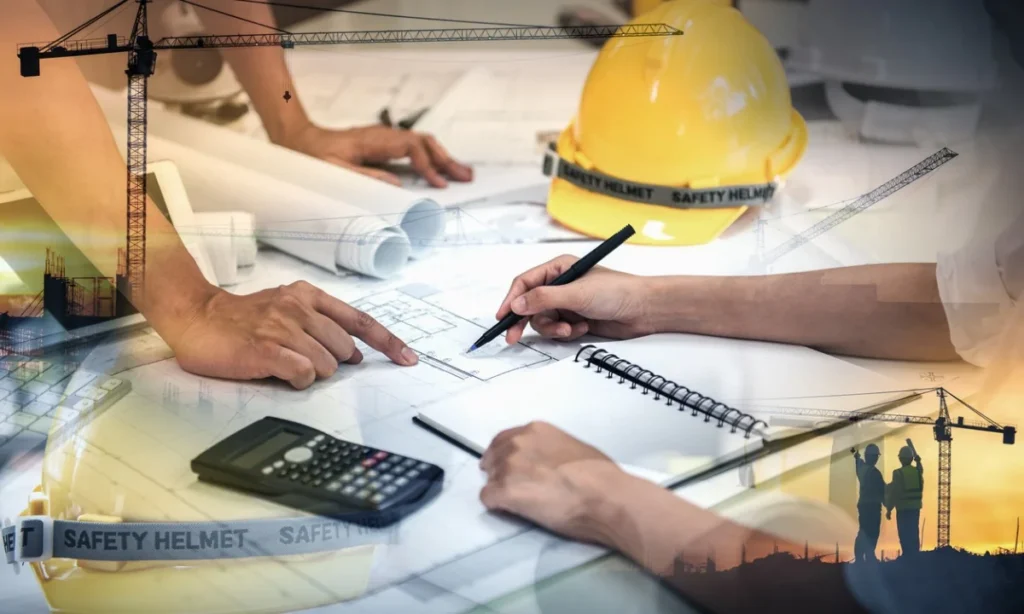

Why Regular Site Inspections Improve Build Quality is an important consideration for contractors, developers, and site managers aiming to deliver high-quality construction projects. By understanding Why Regular Site Inspections Improve Build Quality, construction teams can identify defects earlier, improve quality control, and reduce costly rework. Therefore, regular site inspections play a key role in achieving successful project completion and client satisfaction.
Why Regular Site Inspections Improve Build Quality
Why Regular Site Inspections Improve Build Quality begins with identifying construction issues before they become larger problems.
Regular site inspections help teams:
- Identify defects early
- Monitor workmanship standards
- Verify completed work
- Improve communication between trades
- Maintain consistent quality
The earlier issues are identified, the easier they are to resolve.
How Regular Site Inspections Improve Construction Quality
Construction projects rely on consistent inspections to maintain quality standards throughout every phase.
Key benefits include:
- Better quality control
- Faster defect identification
- Reduced construction rework
- Improved trade accountability
- Smoother project handovers
In addition, regular inspections help ensure every stage of construction meets project specifications.
Why Site Inspection Checklists Improve Build Quality
Many construction defects occur because inspections are inconsistent or incomplete.
Without structured inspection checklists, site managers may overlook defects or spend valuable time tracking outstanding issues.
Improved inspection processes help ensure every defect is identified, assigned, and resolved before project completion.
Moreover, Why Regular Site Inspections Improve Build Quality becomes easier to achieve when teams maintain accurate inspection records and clear accountability.
Best Practices for Regular Site Inspections
Construction teams should inspect work at every key stage of the project.
As a result, contractors can identify issues earlier, reduce delays, and improve overall build quality.
Improving Quality Control Through Regular Site Inspections
An effective site inspection process should help teams:
- Record defects immediately
- Assign responsibility clearly
- Monitor inspection progress
- Verify completed work
- Maintain accurate inspection records
This improves accountability and strengthens quality control across the project.
Why Early Site Inspections Reduce Construction Defects
Furthermore, carrying out inspections throughout construction allows teams to identify problems before additional work begins. As a result, projects remain on schedule and avoid unnecessary rework. In addition, regular inspections improve communication between contractors, subcontractors, and site managers. Consequently, teams spend less time correcting defects and more time delivering quality work. Therefore, proactive inspections support successful project completion. However, delaying inspections often increases costs and affects overall build quality.
How SnagTags Supports Regular Site Inspections
SnagTags helps construction teams demonstrate Why Regular Site Inspections Improve Build Quality through improved defect visibility and accountability.
By combining physical QR-coded snag tags with digital tracking, teams can:
- Improve defect visibility
- Assign ownership instantly
- Track progress in real time
- Reduce communication gaps
- Support faster issue resolution
Learn more about how SnagTags works:
For contractors looking to improve defect management, visit SnagTags Alternatives:
Additionally, construction professionals can explore construction best practices on the HSE Construction website
For guidance on UK building regulations and planning requirements, visit Planning Portal:
Conclusion
Why Regular Site Inspections Improve Build Quality is clear when construction teams consistently monitor workmanship, identify defects early, and maintain effective quality control.
By implementing structured inspection procedures, improving defect tracking, and resolving issues before project completion, contractors can improve build quality, reduce rework, and achieve smoother project handovers.