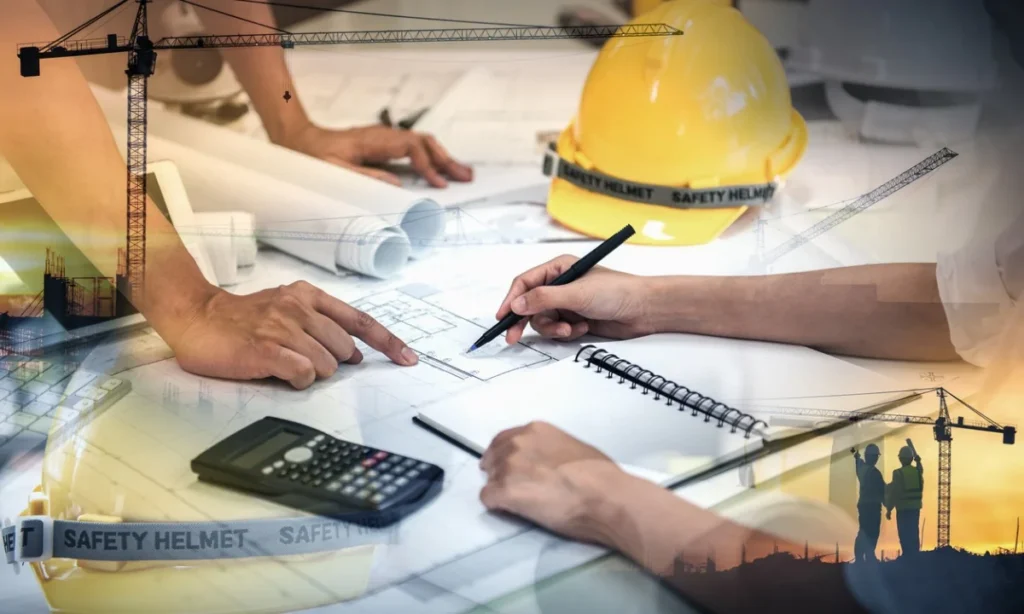

Construction Quality Control in 2026 continues to evolve as contractors adopt better processes, digital tools, and more effective defect management strategies. By following Best Practices for Construction Quality Control in 2026, construction teams can improve project quality, reduce rework, and deliver projects more efficiently. Therefore, maintaining strong quality control processes is essential for successful project delivery.
Why Construction Quality Control in 2026 Matters
Construction Quality Control in 2026 helps teams maintain high standards while meeting increasing client expectations and regulatory requirements.
Without effective quality control, projects may experience:
Increased defects
Higher rework costs
Project delays
Compliance issues
Reduced client satisfaction
The earlier quality issues are identified, the easier they are to resolve.
Key Construction Quality Control Best Practices for 2026
Construction teams can improve project outcomes by implementing proven quality control practices.
Best practices include:
Conducting regular site inspections
Using digital quality records
Assigning responsibility clearly
Tracking defects in real time
Maintaining accurate documentation
In addition, standardised quality procedures help ensure consistency across all project stages.
How Digital Quality Control Improves Project Performance
Digital tools are becoming an important part of Construction Quality Control in 2026.
Benefits include:
Improved project visibility
Faster defect identification
Better communication between teams
Enhanced record keeping
More efficient reporting
Moreover, digital quality control systems help teams monitor progress and resolve issues more effectively.
Using Quality Data to Drive Continuous Improvement
Accurate project data helps contractors identify recurring issues, improve processes, and strengthen future project performance.
As a result, teams can make informed decisions and improve overall construction quality.
Improving Construction Quality Through Better Defect Management
An effective quality control process should help teams:
Record defects immediately
Assign responsibility clearly
Monitor progress
Verify completed work
Maintain a complete audit trail
This improves accountability and supports higher construction standards.
Why Early Quality Control Reduces Project Risk
Furthermore, identifying issues early helps construction teams avoid unnecessary delays and reduce rework costs. As a result, projects can maintain productivity and progress more efficiently. In addition, proactive quality control improves communication between contractors and site managers. Consequently, teams can spend less time correcting mistakes and more time focusing on project delivery. Therefore, maintaining strong quality control procedures supports better project outcomes. However, unresolved quality issues can quickly affect budgets, schedules, and client satisfaction.
How SnagTags Supports Construction Quality Control
SnagTags helps construction teams strengthen Construction Quality Control in 2026 through improved defect visibility and accountability.
By combining physical QR-coded snag tags with digital tracking, teams can:
Improve defect visibility
Track progress in real time
Reduce communication gaps
Speed up issue resolution
Support higher quality standards
Learn more about how SnagTags works.
For contractors looking to improve defect management, visit SnagTags Alternatives
Additionally, construction professionals can explore construction best practices on the HSE Construction website
The National House Building Council (NHBC) provides guidance on construction quality and standards
You can also explore industry resources from the Chartered Institute of Building (CIOB)
Conclusion
Best Practices for Construction Quality Control in 2026 help construction teams improve quality, reduce defects, and achieve more successful project outcomes.
By implementing structured quality control processes, improving visibility, and using digital tools effectively, contractors can reduce rework, improve efficiency, and deliver higher-quality construction projects.