
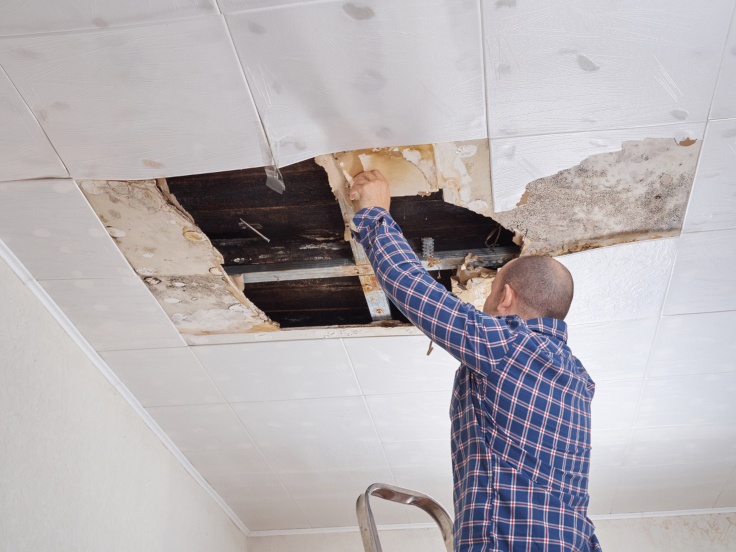
Poor Defect Management can have a significant impact on construction project performance. When defects are not identified, assigned, and tracked effectively, Poor Defect Management often leads to increased costs, project delays, and reduced productivity. Therefore, implementing a structured defect management process is essential for successful project delivery.Effective defect tracking helps reduce the risks associated with Poor Defect Management.
Furthermore, effective defect management helps teams maintain project momentum.
The Financial Impact of Poor Defect Management
Many of the costs associated with defects occur after the issue has been identified. As a result, Poor Defect Management can quickly increase overall project costs.
Furthermore, unresolved defects often create additional pressure on project teams and site managers.
Poor defect management can result in:
- Additional labour costs
- Increased material waste
- Repeat inspections
- Delayed project milestones
- Higher site management expenses
Even small defects can become expensive if they are not addressed promptly and efficiently. When construction teams fail to identify, assign, and track defects effectively, they often create unnecessary rework, delays, and increased management effort.
As a result, contractors may need to revisit completed work, increasing both costs and disruption.
How Defects Create Project Delays
Construction projects rely on effective coordination between multiple trades and contractors.
When defects are not managed properly, teams may need to revisit completed work, disrupting schedules and slowing project progress.As a result, project costs can increase much faster than expected.
This can lead to:
- Missed completion targets
- Delayed handovers
- Increased project overheads
- Frustrated clients and stakeholders
Resolving defects early helps minimise disruption and keeps projects on track. Consequently, teams may spend more time chasing updates and resolving issues.
Why Visibility and Accountability Matter
Many defects remain unresolved because there is no clear visibility of outstanding issues or ownership.
Without a structured system, defects can be forgotten, duplicated, or assigned incorrectly. Site managers often spend valuable time chasing updates and maintaining manual snag lists. Consequently, Poor Defect Management may lead to unresolved issues remaining open for longer.
Improved visibility helps ensure every defect is tracked from identification through to completion.
For example, clear ownership helps contractors understand exactly which issues require attention.
Improving Defect Management Through Better Snagging
An effective snagging process helps construction teams manage defects more efficiently.
A structured approach should allow teams to:
- Record defects immediately
- Assign responsibility clearly
- Monitor progress
- Verify completed work
- Maintain accurate records
This improves accountability and reduces the likelihood of defects being overlooked.
Therefore, a structured approach is essential for reducing delays and improving efficiency.
How SnagTags Helps
SnagTags is designed to simplify construction defect management and improve visibility across projects.
In addition, better tracking allows teams to prioritise work more effectively.
By combining physical QR-coded snag tags with digital tracking, teams can:
- Improve defect visibility on site
- Assign ownership instantly
- Track progress in real time
- Reduce communication gaps
- Speed up issue resolution
Learn more about how SnagTags works
HSE Construction website
Therefore, reducing Poor Defect Management should be a priority for every construction team. However, Organisations that adopt structured processes often achieve better project outcomes.
Conclusion
Poor defect management can have a major impact on project costs, timelines, and overall performance.
By improving visibility, accountability, and communication, construction teams can reduce delays, minimise rework, and deliver higher-quality projects with greater efficiency.